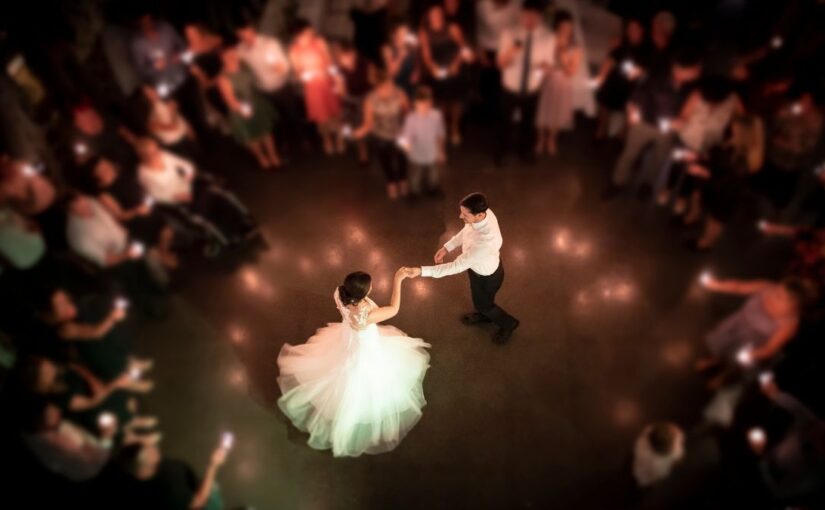
Wearing high heels and dress shoes to an outdoor wedding can be classy, or it can be a nightmare. And not just in terms of comfort!
While you can’t offer your guests much relief with their blisters, you can do much to prevent their shoes sticking or sinking into the ground or, god forbid, leading to a twisted ankle. Choose good flooring, and 99% of your worries on that account will be brushed away!
If you opt for renting (which most people do), brace yourself for some shopping around. The thing is, not all rental companies will include the setup and removal in the price! Or at least give you a decent discount.
Best Types of Flooring for Weddings
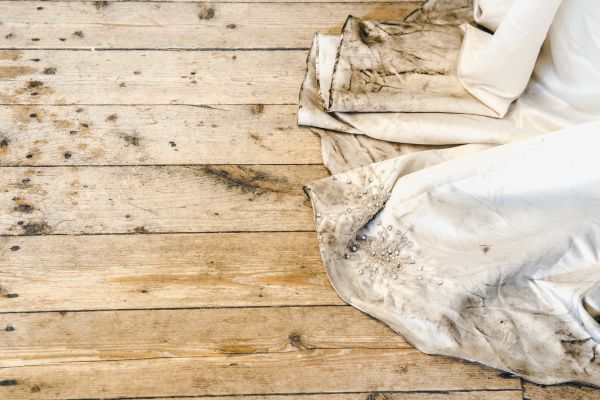
Is There a Patio? Spruce It Up!
If your chosen outdoor wedding area already has a decently-sized patio, there’s very little you need to do.
For the surface to be as smooth as possible, you should clean the rocks, sticks, blow away leaves and other debris. If the patio is made of stamped concrete, check it for cracks or structural damage that could cause your guests to trip.
The importance of checking the surface for mold can’t be overstated! If there is any, it will make it very easy to slip. The cure here is very simple and cheap: you can rent out a pressure cleaner and do a once-over to blast away mold, mildew as well as any debris that may not be immediately obvious.
“It’s not just about mold or mildew either,” tells us Tim Wisniewski, an expert cleaner from a Sydney house washing company, who we reached out to for comment. “Very fine grains of sand or dirt can settle and get ingrained into the porous surface of the concrete so you don’t even notice them. With everyday footwear such as sneakers or flat sandals just for walking, they wouldn’t be much of an issue. But if we’re talking about many people dancing in dress shoes, it’s best not to take that risk,” he adds.
Another thing you can do is to break out decorative rugs and mats. Those aren’t without fault either. They either need to be thin enough to be snugly taped down so the edges don’t curl up, or long and wide enough to cover most or whole of the dancing surface.
Wood is the Go-To (But Not for Everyone)
It’s sturdy, adjustable, adaptable, green (meaning eco-green) and ever-green. It can look as rustic or as elegant as you want it to. All things considered, wood probably makes for the best dance floor there is.
There’s one big problem, though: it’s also expensive. For many people, even prohibitively so.
More often than not, wooden flooring will cost you more than the tents, catering AND décor put together. It tends to be costly even if it’s made of lower-quality wood such as plywood. And we’re talking about renting out a retractable floor, not installing one for good!
One way around the price issue is to DIY your own dancing float deck using—pallets! Exactly, we’re talking about pallets for storing goods that you’ll see in big supermarkets and warehouses. The good thing is, you can get them for free or next to nothing as they are often just thrown away. The problem is, you can’t have those big gaps, so you’ll still need to nail plywood sheets onto them so the surface can be even.
Want to Go Middle Ground? Consider Plastic Tiles
We’ve heard it many times: plastic tiles aren’t stylish. Ever seen them in a checkerboard pattern? If you have, then you’ll know that it’s just not true.
If you’re not a fan of black and white, that’s not a problem either. They are available in as many colors and patterns as you can think of. Snapping together like a puzzle, they are also super easy to install. Plus, you can get as many or as few as you need to either cover the whole backyard or just parts of it that will be used for dancing.
More pros? They tend to be on the lower side in terms of cost, and they are moisture-resistant unlike, for example, wood. For a 400-square-foot area, you’ll be looking at up to $1,500 in rental, often much lower.
But if PVC flooring looks like something you’d want to consider, make sure to check if it’s slippery!
Vinyl Sheets or Lino: Good as a Supplement to Concrete Floor
Smooth but not slippery (unless moist): this is the long and short of vinyl sheets, a.k.a. linoleum. (They are not quite the same thing in terms of composition, but they look and feel almost exactly the same.)
They are probably the easiest to install too. You can roll them over on your own—just make sure the ground is relatively smooth so there aren’t big bumps. Also, tack the sheets down around the edges with adhesive so they don’t shift.
The good thing about these sheets is that they are comfortable for dancing, and there are many styles and patterns to choose from.
On the flip side (pun intended), they are too soft to function well on an uneven surface! If you have a concrete backyard but don’t want the concrete feel, they can work as a supplement.
It’s fair to note, though, that some people don’t consider them very classy. Just saying!
Faux Grass: Best Permanent Solution
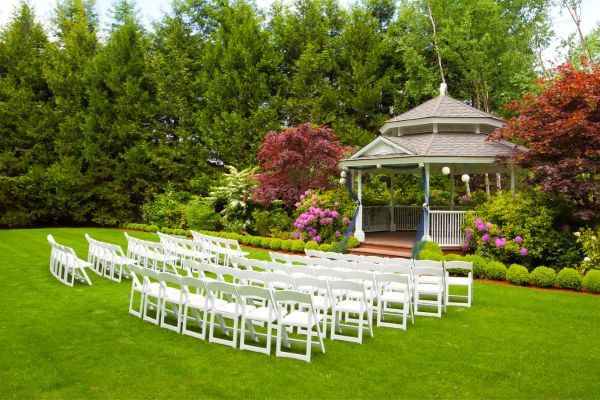
For a cozy, comfy and slightly informal feel, an artificial turf could be a good choice. Especially if most of your party will be taking place during the day! The turf can give it a picnicky touch (maybe even a theme!), and you can ask your guests to wear comfier shoes.
Financially, though, it’s only a sound option if you’re doing your wedding party in your own backyard and want a permanent faux turf anyway. The initial cost is pretty high. But it will be there to stay, and it’s an amazingly low-maintenance option.
Rain or shine, your turf won’t suffer from mud and dirt, so the guests don’t have to worry about their footwear and clothes. No matter how uneven the ground is, the installers will make it level.
Plus, high-quality artificial turf won’t be slippery at all.
There are rental options too, but in our opinion, the cost to quality ratio isn’t good enough to justify such an expenditure.